Technology designed around what the immune system actually sees

RIGHT TARGETS

Measured, not predicted

Our Precision Immunomics™ discovery pipeline integrates state-of-the art immunopeptidomcs, transcriptomoics and genomics, with AI/ML trained on data from real patient samples, to produce a best-in-class repertoire of shared, tumour-specific antigens identified.

We detect antigens from coding and ‘dark’ regions of the genome without bias, allowing us to select the best possible targets, regardless of the source. Shortlisted targets undergo rigorous biological validation to allow us to design de-risked, off-the-shelf vaccines, cancer type by cancer type.

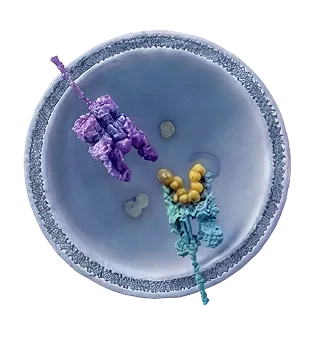
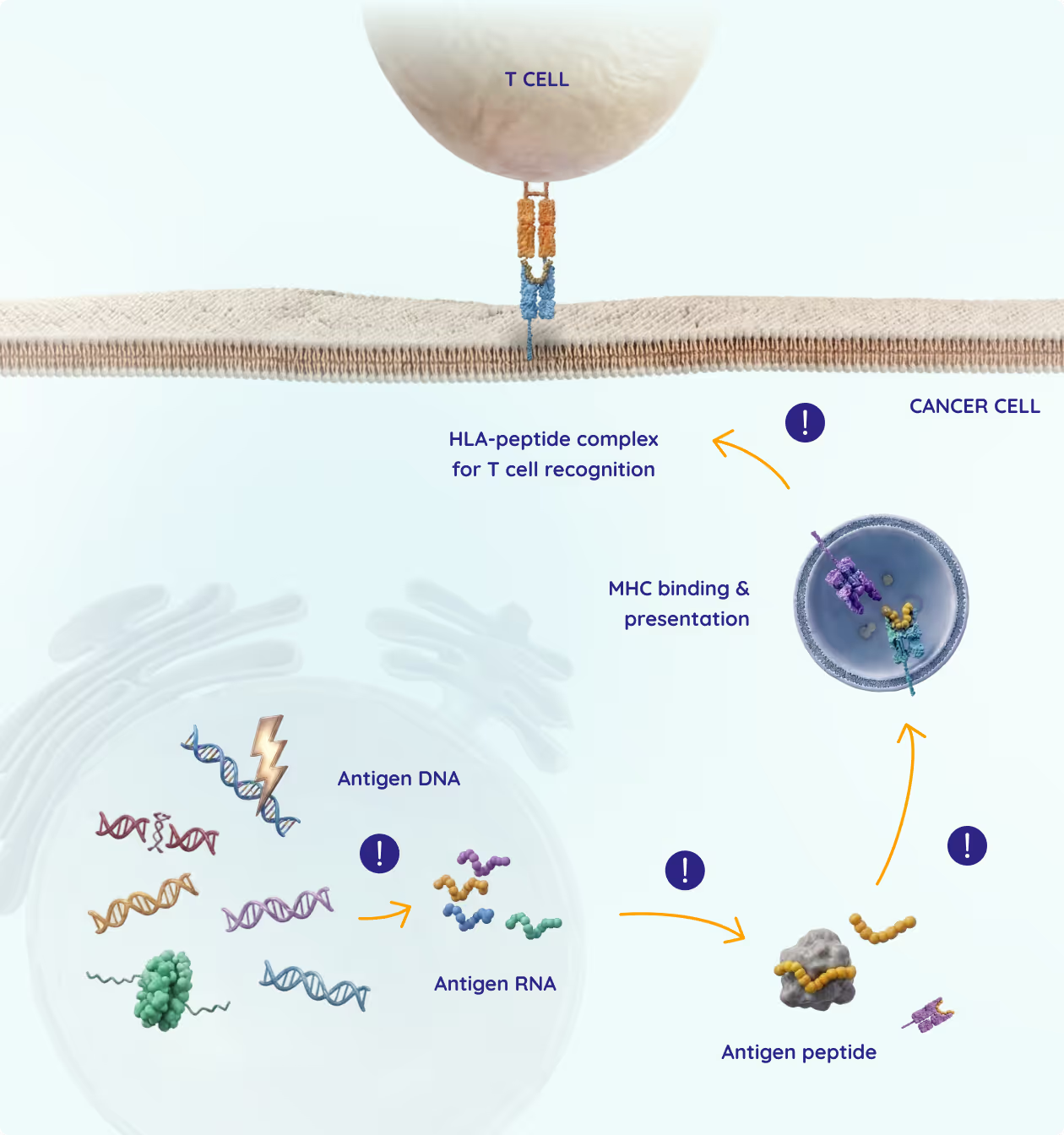
Everything we see is a real target. Using immunopeptidomics, wedirectly read what tumours present to the immune system.
Close-up of a beige layered mattress showing detailed woven texture and foam padding.
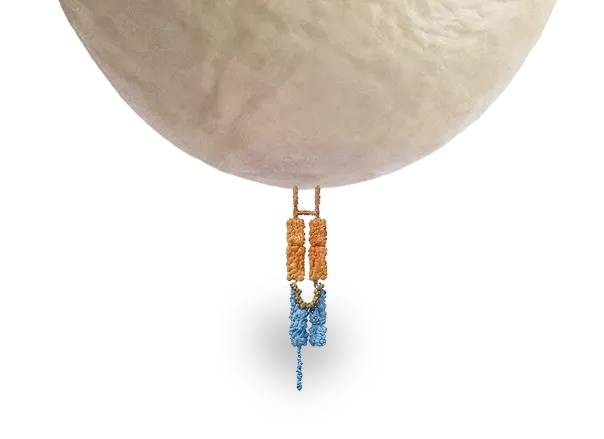
Molecular structure of a membrane protein embedded in a spherical cell membrane.
T cell receptor
Illustration of a eukaryotic cell featuring a nucleus, rough endoplasmic reticulum, and Golgi apparatus.
Blue DNA double helix with a metallic lightning bolt striking through it.
3D illustration of a DNA double helix with a chemical structure overlay.
3D illustration of a DNA double helix strand with twisting structure.
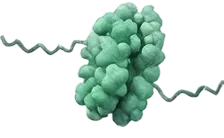
Detailed 3D rendering of a green protein molecule with a twisted ribbon structure.
3D illustration of a DNA double helix structure in blue.
3D illustration of a purple DNA double helix strand.
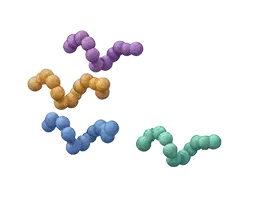
Four colored molecular chains resembling proteins with spherical segments connected in a wavy pattern.
Antigen DNA
Orange hand-drawn arrow pointing diagonally up and to the right.
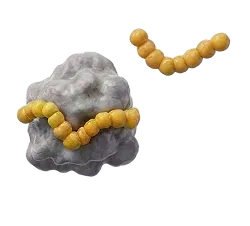
Yellow spherical beads arranged in a chain wrapping around a gray irregularly shaped object, with a separate short chain of beads nearby.
Purple caterpillar with a yellow head on a black background.
Antigen peptide
Curved orange arrow pointing to the right.
Illustration of a cell with two ribosomes attached to the endoplasmic reticulum, one purple and one blue with yellow molecules, showing protein synthesis.
MHC binding &
presentation
CANCER CELL
Orange curved arrow pointing upward and to the right.
Orange curved arrow pointing upward to the right.

Most mutations are never processed, presented, or recognised by T cells so relying on prediction restricts the proportion of identified antigens that are therapeutically relevant.

RIGHT VECTORS

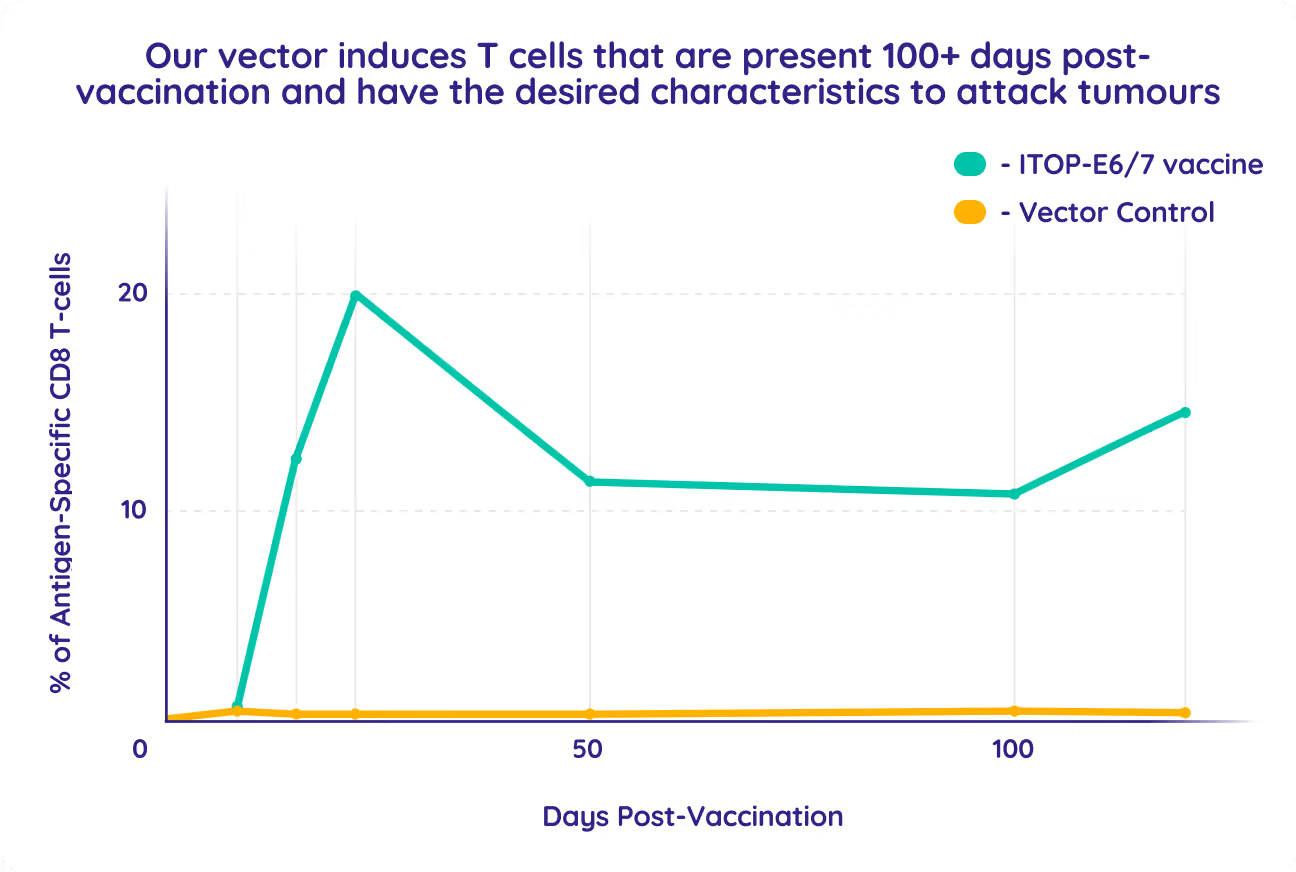
Our proprietary viral vectors are deliberately designed to simulating strong and lasting protection against cancer, inducing highly durable T-cell responses from a single dose.
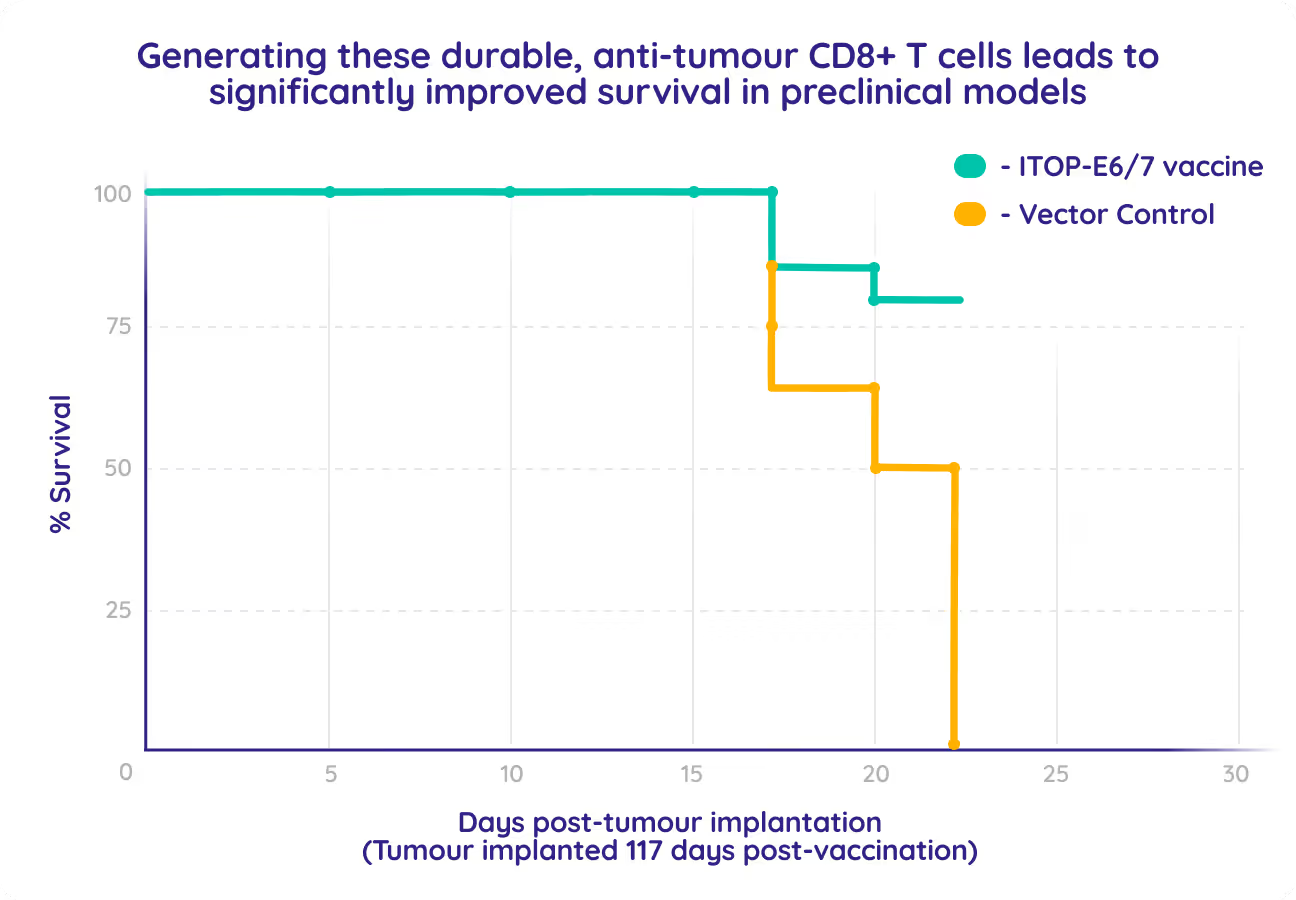
We have demonstrated the durability and functionality of T-cells induced by our vector platform, and that this leads to significantly improved tumour control and survival, in preclinical models.
Using a vector that is clinically de-risked, scalable and manufacturable with validated tumour-specific targets produces off-the-shelf precision vaccines that are deployable in specialist and community settings to serve broad populations of cancer patients.

RIGHT PATIENTS,
RIGHT TIME

Our off-the-shelf approach allows us to investigate our precision vaccines alongside the standard of care for a given cancer type at any timepoint in a patient’s cancer treatment journey.

ITOP1
Oesophageal Adenocarcinoma
Trial Commenced Q4'25
ITOP2
Cancer #2
Target selection Q3’26
ITOP3
Cancer #3
Scheduled H2’26
ITOP4
Cancer #4
ITOP5
Cancer #5

The accelerated regulatory route enabled by our MHRA-awarded Innovative Licensing and Access Pathway (ILAP) passport, has allowed us to initiate our first-in-human VISTA study: a randomised, placebo-controlled, double-blind phase 1/2a trial in resectable oesophageal adenocarcinoma. This is a population with high unmet need, with half of patients experiencing recurrence within 2-3 years of surgery.

VISTA is designed to provide rapid proof-of-concept for our Precision ImmunomicsTM antigen discovery platform and our proprietary vector platform. We are actively exploring partnership and collaboration opportunities to accelerate expansion into an initial 4 additional cancers covering a $45 billion addressable market.

We use cookies to improve your experience on our website. You can accept all the cookies, reject them or select your cookie preferences by clicking the corresponding buttons. For more information, please see our cookie policy.